We live permanently connected. The phone has become the first thing we touch in the morning and the last before sleep — we check notifications before our eyes are even fully open and fall asleep with the screen lighting up our face. Between these two moments, thousands of micro-interruptions fragment our attention: a message, a notification, a “just one minute” scroll that turns into twenty.
It’s not entirely our fault. The apps we use daily are built by entire teams of engineers and behavioral psychologists, with the explicit goal of maximizing screen time. Every notification color, every sound, every “refresh” mechanism has been tested and optimized to bring us back, again and again, even when we rationally know we don’t need to check anything.
The human brain didn’t evolve for this pace. It needs real breaks — not a few seconds between two apps, but extended periods in which it doesn’t have to process, react, or respond to anything. This article explains what digital detox is, what actually happens in your brain when you reduce digital stimuli, why the forest works better than any other method, and what a digital detox day at One Life actually looks like.
Chapter 1. What is Digital Detox?
Digital detox means a deliberate period of time in which you reduce or completely eliminate the use of digital devices — phone, laptop, tablet, television — with the goal of reducing your stress, regaining your attention, and restoring a natural rhythm of life.
It’s important to make a clear distinction: digital detox doesn’t mean giving up technology for good. It’s not about throwing your phone in a lake and living isolated from the world. It’s about creating, temporarily and consciously, space without screens — enough for the brain to step out of the state of permanent alertness that constant connectivity keeps it in. At the end of a detox period, technology remains part of your life; only your relationship with it changes.
How do you know if you need a digital detox? There are a few clear signals that most people ignore, considering them normal simply because they’re widespread:
- You check your phone compulsively, without any particular reason — a reflex, not a necessity.
- You feel mental fatigue even on days when you haven’t put in significant physical or intellectual effort.
- You have difficulty concentrating, even on simple tasks or in a conversation.
- You feel a background level of anxiety, hard to explain, that doesn’t disappear even in seemingly relaxed moments.
- Your sleep is shallow — you fall asleep with difficulty, wake up tired, even if you slept the “right” number of hours.
If you recognize yourself in at least two of these signs, your body and mind are already sending you a clear message: they need a break from constant digital stimulation.
An important point to remember: these signals don’t appear overnight. They set in gradually, so slowly that we end up considering them part of “who we are” or “how modern life is,” not symptoms of an imbalance that can be corrected. This is exactly why a conscious, intentional break — not one imposed by a technical failure or a vacation without signal — is so valuable: it gives you a clear point of comparison between how you feel constantly connected and how you feel when you deliberately choose not to be.
Chapter 2. What happens in the brain when you reduce digital stimuli
Every notification, every like, every new message triggers a small release of dopamine in the brain — the neurotransmitter associated with pleasure and reward. The problem isn’t dopamine itself, but the frequency and unpredictability of these releases. Apps are specifically designed to exploit this mechanism: you never know exactly when the next interesting notification is coming, so you check constantly, “so you don’t miss anything.”
This constant exposure to stimuli leads to overstimulation — a state in which the brain receives more information than it can process healthily. The result is fragmented attention: the ability to focus on a single thing for an extended period gradually erodes. Neuroscience studies show that attention, like any other resource, is trained — but also detrained through misuse.
Added to this overstimulation is informational stress: constant exposure to news, opinions, and new content creates chronic cognitive pressure, even if we don’t actively realize it. The brain remains in a state of permanent “mild alertness,” similar to the effect of continuous background stress.
Memory is affected as well. For information to move from short-term to long-term memory, the brain needs consolidation periods — quiet moments, without new stimuli, in which it can “archive” what it has experienced. In a constant flow of new information, these consolidation windows become increasingly rare.
There’s also a social dimension to this phenomenon, often overlooked. Fragmented attention doesn’t just affect individual productivity, but also the quality of our presence in relationships with others. A conversation held with the phone in sight, even if we don’t touch it, feels different to the other person than one held with full attention — a phenomenon documented under the name “phubbing,” a blend of “phone” and “snubbing.” Reducing digital stimuli doesn’t just recover individual mental clarity, but also the quality of our connections with those around us.
The brain doesn’t need more information. It needs moments in which it receives none.
Chapter 3. Why it works better in nature
Digital detox is effective anywhere you reduce screen exposure, but the effect is significantly amplified when it takes place in nature — and there are concrete explanations for this.
Exposure to green spaces and natural landscapes reduces cortisol levels, the main hormone associated with stress. Numerous environmental studies have shown that time spent in the forest, even without intense physical activity, measurably lowers the biological markers of stress.
Natural rhythm — light that changes gradually throughout the day, sounds that vary organically, the absence of the artificial boundary between “workday” and “free time” — slows the mind in a way no urban environment can replicate. In the forest, time is no longer measured in notifications or meetings, but in light, in wind, in silence.
This silence, far from being empty, activates creativity. Many of the best ideas don’t appear during active concentration, but in moments of “mind wandering” — free mental drifting — which the brain can only have when it isn’t busy processing constant external stimuli.
Natural sounds also play an important role: rustling leaves, birdsong, the murmur of water have a documented calming effect on the nervous system, unlike artificial sounds (notifications, fast-paced music, urban noise) that keep the nerves in a state of alertness.
In Japan, this practice even has an official name — shinrin-yoku, or “forest bathing” — and is recognized as a preventive health care method, integrated into national wellbeing programs. It doesn’t require intense hiking or physical effort; it simply requires presence in a wooded environment, with all senses open. The effects — lower blood pressure, reduced stress hormones, improved immune function — have been documented in numerous independent studies, turning time spent in the forest from an aesthetic whim into a scientifically supported practice.
Chapter 4. What a Digital Detox day at One Life looks like
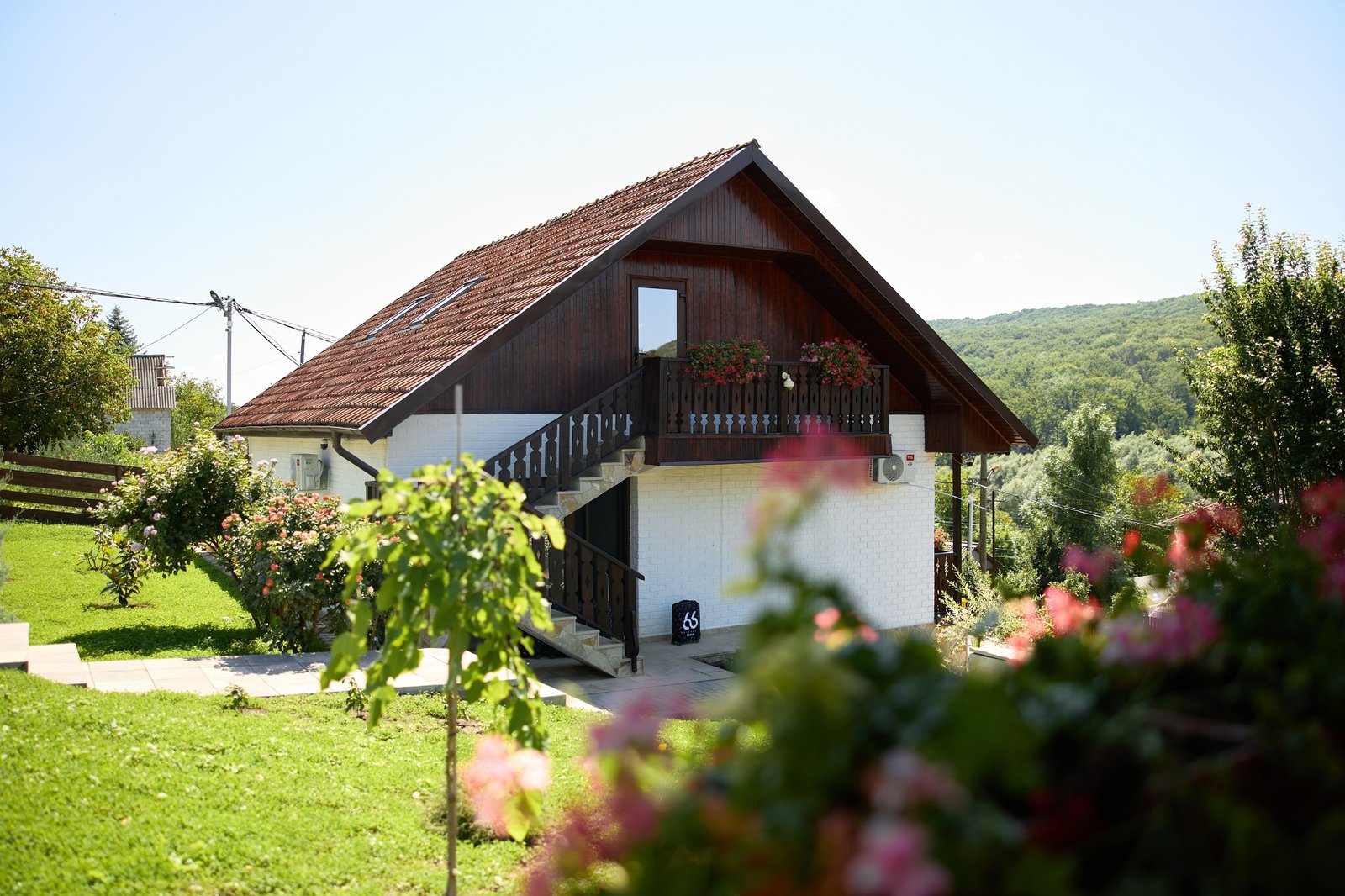
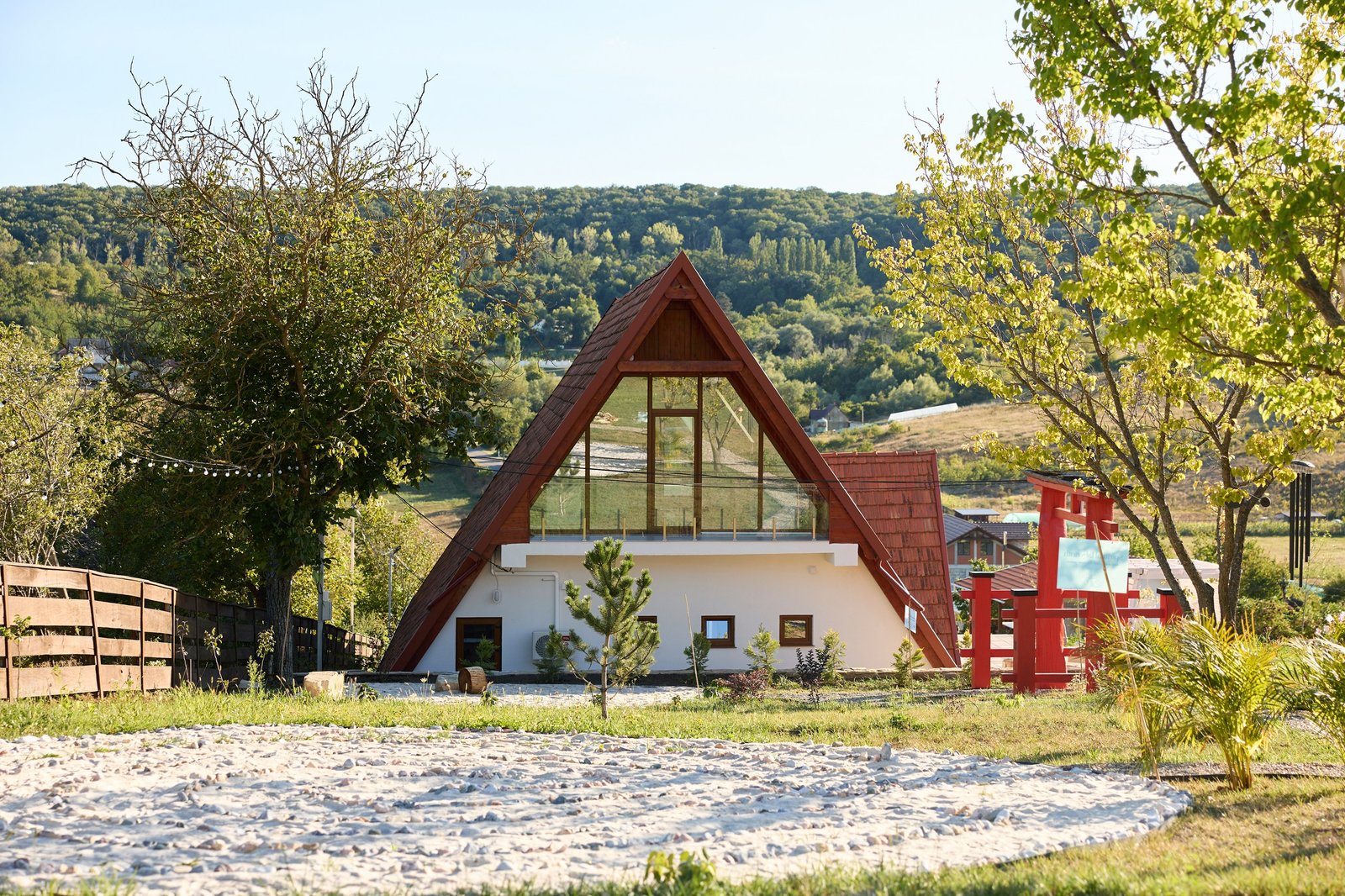
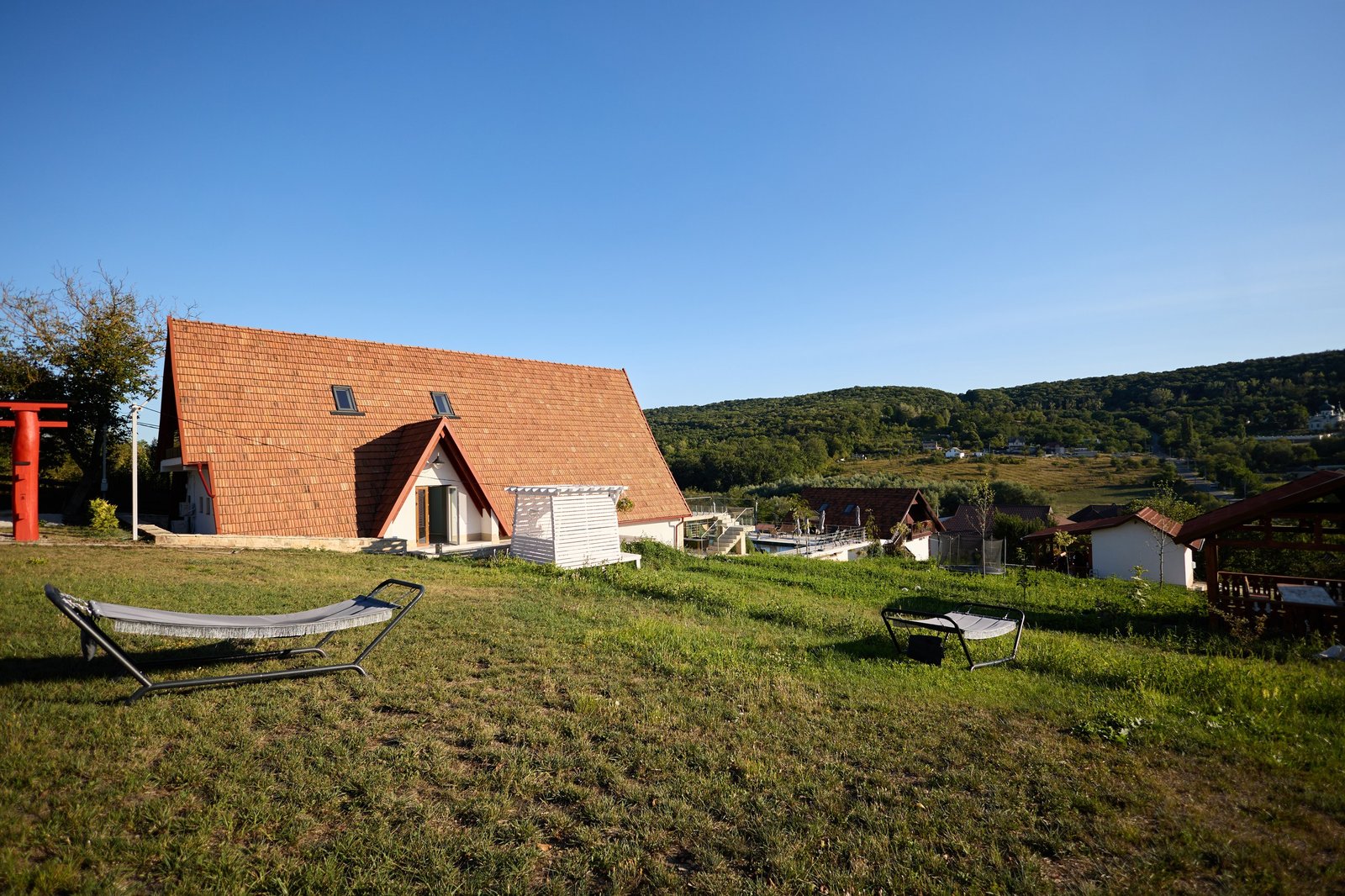
The theory of digital detox is useful, but the real experience feels different. Here’s what a digital detox day at One Life, in the heart of the Condrița forest, actually looks like:
Morning
The day begins without a phone. There’s no digital alarm, no reflexive checking of overnight notifications. The natural light entering the room is the only signal that the day has begun.
- No phone — devices remain, optionally, in a dedicated place, away from the bedroom.
- Coffee on the terrace — a slow moment, no scrolling, just the surrounding view.
- Conscious breathing — a few minutes of guided breathing, a simple anchor for the rest of the day.
Local breakfast
A breakfast prepared from local, seasonal ingredients, served without time pressure. No rushing between bites, no phone next to the plate.
Forest walk
A walk with no fixed destination or timer, through the forest around One Life. The goal isn’t the distance covered, but presence in the environment — observing textures, sounds, and light.
Slow lunch
Like breakfast, lunch is designed as a moment of slowing down, not just eating. Every meal at One Life is an opportunity to practice attention.
Rest
A free interval, with no structured activity — recommended for those who feel the need for a short nap or simply a moment of assumed non-productivity.
Journaling
Handwriting, without a screen, helps process the thoughts accumulated in the absence of constant digital stimulation. No experience or structure needed — just a notebook and a few minutes of honesty with yourself.
Sauna / salt pool
Heat or salt water have a direct physical effect on the nervous system, supporting the deep relaxation begun by the absence of digital stimuli.
Phone-free dinner
The last meal of the day, like the others, is taken without devices at the table — a simple exercise in presence with others or with yourself.
Sunset
The day ends with the sunset, watched without the need to photograph or post it. Just watched.
Chapter 5. Benefits after just 24 hours
You don’t need a full week to feel the effects of a real digital detox. Even a single day, spent correctly, in the right environment, produces measurable changes:
- Better sleep — faster falling asleep and deeper sleep, due to reduced visual and cognitive stimulation before bed.
- Mental clarity — more ordered thoughts, easier decisions, without the “background noise” of constant notifications.
- Energy — an increased sense of vitality, counterintuitive for those used to associating “being connected” with productivity.
- Creativity — new ideas and perspectives come more easily, as a result of regained “mind wandering” moments.
- More authentic relationships — conversations held without the phone in sight or within reach become, almost instantly, deeper.
Conclusion
One Life isn’t just a place without noise. It’s the place where you start hearing yourself again.
In a world where permanent connectivity has become the norm, the choice to disconnect — even for a single day — is a rare and valuable act of self-care. The Condrița forest asks nothing of you. It has no notifications, no algorithms, nothing to sell. It only has silence — and, in that silence, the space you need to find yourself again.